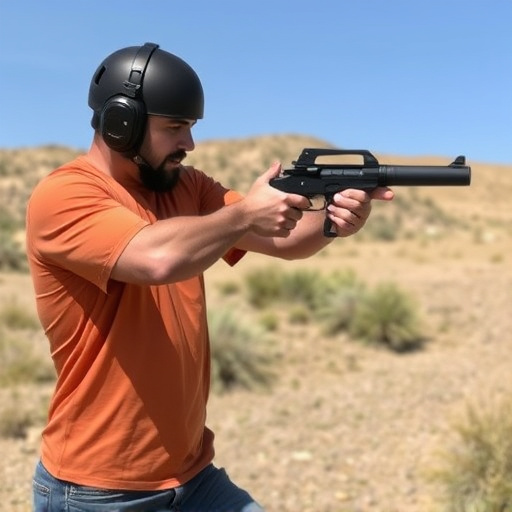
Pepper spray training for beginners teaches the mechanics of riot control canisters, including types, ranges, and effects, emphasizing safe handling, deployment techniques, de-escalation methods, and legal considerations to minimize harm during high-pressure situations like riots or civil unrest. Regular practice ensures proficiency and responsible use.
Riot control inflammatory spray canisters, particularly pepper spray, have become essential tools for law enforcement and self-defense. This article guides beginners through the basics of pepper spray, offering insights into its operation, effectiveness, and safe handling. We explore training techniques and safety measures to ensure responsible use. Additionally, we delve into legal considerations crucial for understanding the boundaries and implications of employing such devices.
- Understanding Riot Control Spray Canisters
- Pepper Spray: Basics for Beginners
- Training Techniques and Safety Measures
- Legal Considerations and Responsible Use
Understanding Riot Control Spray Canisters
Riot control spray canisters, also known as pepper spray, are non-lethal weapons designed to incapacitate individuals during law enforcement operations or civil unrest. Understanding how these devices work is crucial for anyone considering Pepper Spray Training for Beginners. The canisters contain a liquid solution that, when aerosolized, irritates the eyes, nose, and throat, causing temporary blindness and difficulty breathing. This disruption enables authorities to control and subdue crowds or individuals posing a threat.
Proper training ensures users know how to deploy the spray effectively while minimizing harm to bystanders. Beginners should learn about the different types of riot control canisters, their range and effect, and safety precautions to take before and after use. Regular practice sessions are essential to familiarize oneself with the canister’s mechanism and develop the necessary reflexes for accurate targeting in stressful situations.
Pepper Spray: Basics for Beginners
Pepper spray, a powerful tool for riot control and self-defense, has become an essential part of many law enforcement agencies’ arsenal. For beginners looking to understand the basics of pepper spray, it’s crucial to grasp its mechanics and safe handling procedures. Pepper spray canisters contain a fine aerosol mist infused with capsaicin, a compound derived from chili peppers. When deployed, this mist irritates the eyes, nose, throat, and skin, causing temporary yet intense discomfort, disorientation, and even temporary blindness.
Proper training is vital for beginners to ensure they use pepper spray effectively and responsibly. This includes learning about different types of canisters, how to hold and activate the spray, understanding range limitations, and knowing when it’s appropriate to deploy. Pepper spray training for beginners should also cover de-escalation techniques and safety precautions to minimize risks associated with its use. Understanding these fundamentals equips individuals not only to protect themselves but also to contribute positively during volatile situations.
Training Techniques and Safety Measures
For those new to pepper spray, proper training is essential. Pepper spray training for beginners should focus on understanding the device’s mechanics, safe handling, and effective deployment techniques. Workshops and demonstrations by law enforcement or certified instructors can help novices learn how to operate the canister correctly while minimising risks. Practicing target acquisition, trigger control, and awareness of wind conditions are key components of this initial training.
Safety measures play a crucial role in pepper spray training. Participants must be taught about the potential side effects of pepper spray, including eye irritation, breathing difficulties, and skin sensitivities. They should also learn to respect the legal implications of its use, understanding when and where it’s appropriate to deploy such force. Regular refreshers and scenario-based drills can ensure that users remain proficient and responsible in their handling of riot control inflammatory spray canisters.
Legal Considerations and Responsible Use
The use of riot control inflammatory spray canisters, commonly known as pepper spray, is governed by stringent legal frameworks worldwide. Before deploying such devices, individuals and law enforcement agencies must ensure strict adherence to local regulations. Pepper spray training for beginners emphasizes the responsible use of this powerful tool, focusing on minimizing harm while maintaining public safety during high-risk situations like riots or civil unrest.
Legal considerations include obtaining permits when necessary, understanding stand-off distances, and being cognizant of the legal implications of excessive force. Responsible use involves proper handling, aiming for non-lethal outcomes, and de-escalation techniques to avoid unnecessary injuries. Pepper spray training programs equip users with these crucial skills, ensuring that such measures are employed as a last resort, proportionate to the threat, and in line with community safety standards.
Riot control spray canisters, particularly pepper spray, are powerful tools that require careful handling and responsible use. This article has covered essential aspects, from understanding the basics of these devices to training techniques and legal considerations. For beginners, it’s crucial to familiarize themselves with proper usage, safety measures, and the associated laws to ensure effective and safe riot control. Enhanced awareness and adequate training can make all the difference in managing potential disruptions, making pepper spray training for beginners a vital step towards maintaining peace and order.